Choose Panama Real Estate, Rentals and Tours
Choose Panama
​Panama Luxury Real Estate & Rentals
License No. PJ-1179-16
US: (214) 431-5235
  • Home
  • Buy
    • VIP
    • Condos for Sale in Casa Bonita, Playa Bonita Resort >
      • Playa Bonita Resort
      • 23M Casa Bonita Penthouse for Sale
      • 20-o Casa Bonita Penthouse for sale
      • 19L Panoramic Ocean View Apartment
      • 19D 2 Bedroom High Floor Apt with Great View
      • 17C Large 2-Bedroom Apt
      • 14B Casa Bonita 1 Bedroom for Sale
      • 13G 2 Bedroom at Casa Bonita
      • 11DE Large Condo with Direct Ocean Views
      • 10i Casa Bonita for Sale
      • 9e Casa Bonita 1 bedroom for sale
      • 8K 1 Bedroom Apt with Great View
      • 7F Large 2 Bedroom with Great View
      • 6F Casa Bonita Large 2 bedroom
      • Casa Bonita New Apartments
    • Westin Residences >
      • Marriott Benefits for Westin Residences Owners
    • Condos for Sale in Panama City >
      • Arcadia in Costa del Este, Panama
      • Armani Nuovo Luxury Apartment >
        • Armani Nuovo 2 Bedroom Apt
      • Costanera Luxury Apartments
      • Hyde by Wanders and Yoo
      • Generation Tower
      • La Maison Fendi Casa Panama
      • Marbella 47
      • Matisse Costa del Este Panama
      • Moderna 360
      • NEXT Residential Tower
      • Nogal Apartments in Costa del Este
      • Seaside House
      • The Ivy
      • Vista Marina
      • The Woods in Santa Maria
      • Vista del Mar 1 bedroom
    • Condos for Sale in Coronado >
      • Royal Palm, Gorgona, Panama
      • Bahia Resort, Nueva Gorgona, Panama >
        • Bahia Resort 1 Bedroom
      • Buenaventura
      • Casamar Beach Community >
        • Perlamar at Casamar - 1 and 2-bedroom condos
        • Altamar at Casamar - 3 bedroom condos
        • Villamar at Casamar
      • Playa Caracol
      • Punta Caelo
    • Houses for Sale >
      • Panama Pacifico
      • Marinazul at Casamar >
        • Marinazul Masterplan
      • Vista Mar Villa
    • Boquete, Panama
    • Land for Sale >
      • Boquete House Plus 10 Hectares
      • Absolute Beachfront Lots Pedasi
      • Farm Land for Sale
    • Legal Process
  • Rent
    • Rental Book >
      • Pearl Club at Playa Bonita
    • Penthouses at Casa Bonita >
      • FAQs About Renting at Casa Bonita
      • Casa Bonita 21P Penthouse
      • Casa Bonita 22M Penthouse
      • Casa Bonita 23N Penthouse
      • Casa Bonita 23o Penthouse
      • Casa Bonita 24o Penthouse
    • 2 Bedrooms at Casa Bonita >
      • Casa Bonita 6B
      • Casa Bonita 6D
      • Casa Bonita 6F
      • Casa Bonita 7D
      • Casa Bonita 7F
      • Casa Bonita 7i
      • Casa Bonita 8A
      • Casa Bonita 8B
      • Casa Bonita 9i
      • Casa Bonita 10G
      • Casa Bonita 10i
      • Casa Bonita 12B
      • Casa Bonita 14F
      • Casa Bonita 15B
      • Casa Bonita 17E
      • Casa Bonita 17J
      • Casa Bonita 18A
      • Casa Bonita 18G
      • Casa Bonita 18e
      • Casa Bonita 19D
      • Casa Bonita 19K
      • Casa Bonita 19L
    • 1 Bedrooms at Casa Bonita >
      • Playa Bonita Resort
      • Casa Bonita 6e
      • Casa Bonita 8K
      • Casa Bonita 9e
      • Casa Bonita 12C
      • Casa Bonita 13B
      • Casa Bonita 14B
      • Casa Bonita 14H
      • Casa Bonita 16h
    • Renting in Panama City >
      • Nuovo by Armani Casa Luxury Apartment
      • Nuovo by Armani Casa Luxury Apartment
      • Vista del Mar 1 bedroom
      • Rental Book City Apartments
    • Fun Facts About Panama
    • Resources for Renters >
      • Terms and Conditions
      • Casa Bonita Rules & Regulations
  • Visit
    • Concierge >
      • Premium Services >
        • In Home Chef
      • Property Management
    • Things to Do in Panama >
      • Panama Canal
      • Monkey Island Panama
      • Fish Market Panama
      • Best Restaurants in Panama City, Panama
    • Panama Tide Chart
    • Areas to Visit >
      • Amador Causeway
    • Restaurants
    • Foodie Tour
    • Gift Videos
    • French People Moving to Panama >
      • Porquoi les Français s'installent-ils au Panama
    • Test
  • Move
    • Why Panama?
    • How to Buy Property in Panama
    • Panama Residency
    • Opening a Bank Account in Panama
    • Getting a Bank Mortgage in Panama
    • Bringing Pets to Panama >
      • Checklist for Bringing Your Dogs & Cats to Panama from the US
    • Schools in Panama City Panama
    • Schools in Boquete and David Panama
    • Panama Drivers Llicense
    • Condo Remodeling >
      • What Do Renovations Cost in Panama?
      • Remodeling - Panama Penthouse
      • Renovations in Panama-Double Apt
      • Redecorating in Panama 1 Bedroom City
      • Redecorating in Panama Amador Causeway
    • Testimonials
  • Podcast
    • Guest
  • Books
    • The Panama Affair
    • FREE Book
  • Contact
    • About Us
    • In the News
    • Media Kit
    • Register for Webinar
    • Client Registration
    • Realtor Registration
  • Blog

Coronado Beaches: Where Sun, Sea and Community Converge in Panama

11/30/2023

0 Comments

 
Picture
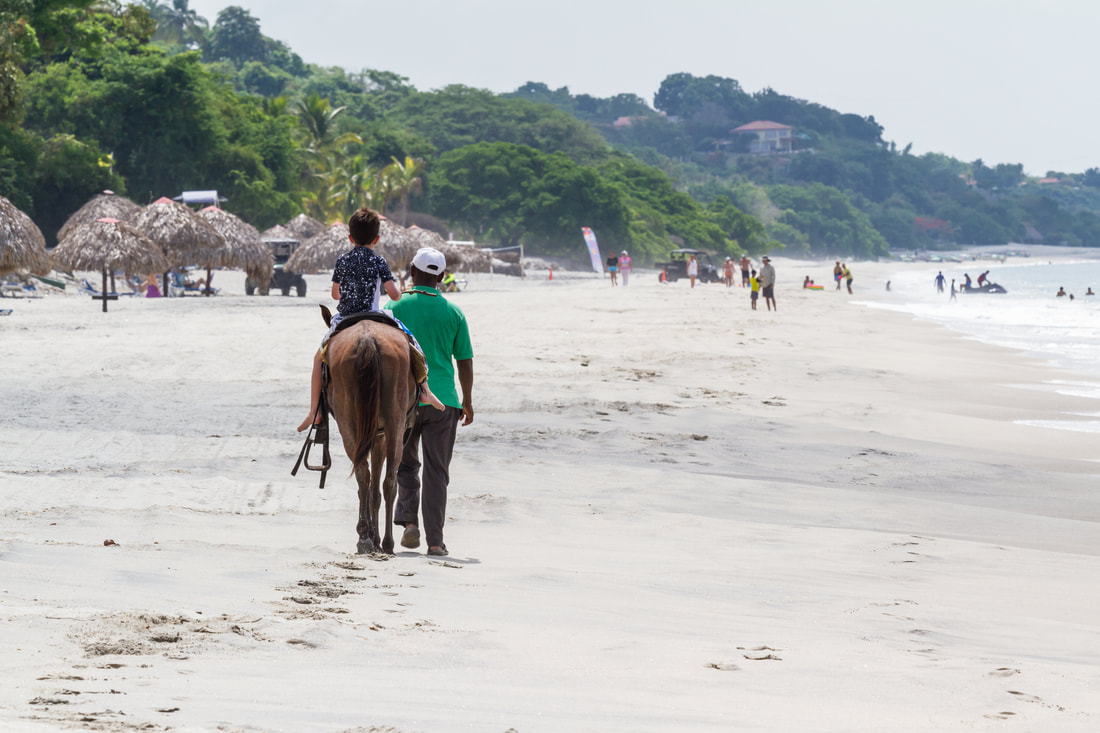
Panama's Pacific coast cradles a coastal gem known as Coronado Beaches. With its golden sands, azure waters, and a burgeoning community, Coronado has evolved into a sought-after destination. In this exploration, we traverse the sands of time to uncover the founding of Coronado, its significance, and the allure that has turned it into an expat haven.

Founding and Significance: Emergence from the Sands
Coronado was officially founded in 1941 by the elite families of Panama, its genesis rooted in the vision of creating a beachfront retreat. Nestled along the Pacific Ocean, Coronado quickly gained importance as a weekend getaway for Panamanians seeking respite from urban life. Over the years, it has transformed into a hub that beckons locals and expatriates alike.

A Hub for Expatriates
Coronado's journey as a hub for expatriates gained momentum in the early 2000s. The allure of Pacific beaches, coupled with the town's proximity to Panama City, drew an international community seeking a coastal haven with modern amenities and a vibrant social scene.

Geographical Enchantment
The Area that encompasses the Coronado Beaches area--also known as the Panama Riviera--stretches from Punta Chame to Buenaventura. By car, it takes about two hours to travel from tip to toe of the Panama Riviera. Its geographical area spans a picturesque stretch along the Pacific coast of Panama. From the sandy shores to the lush landscapes inland, the region captures the essence of coastal beauty. Expanding beyond the beachfront, the Coronado Beaches area encompasses a growing network of neighborhoods and developments.

Weather and Rainfall
Coronado boasts a tropical climate, offering sun-drenched days that beckon residents and visitors to its shores. With an average temperature ranging from 24°C to 31°C (75°F to 88°F), the weather creates an inviting environment for beachside living and outdoor activities.

The region experiences distinct wet and dry seasons. From May to November, the wet season brings occasional rainfall, nourishing the landscapes and adding to the lush greenery. The dry season, spanning December to April, offers clear skies and warm breezes, creating ideal conditions for beach enthusiasts.

Investment and Rental Markets
Coronado's real estate market presents diverse investment opportunities. Whether seeking a beachfront condo, a golf course residence, or a charming villa, investors find a spectrum of choices. The region's growing popularity has contributed to an evolving market with potential for long-term appreciation.

Rental Market Dynamics
Coronado's rental market caters to both short-term vacationers and long-term residents. Rental options range from beachfront apartments to spacious homes, offering flexibility for those exploring the area or considering a more permanent stay. Rental prices vary based on factors such as property size, location, and amenities.

Shores of Tranquility and Opportunity
As the Pacific waves kiss the shores of Coronado, they leave behind a legacy of tranquility and opportunity. From its humble beginnings as a weekend escape to its current status as a coastal haven for expatriates, Coronado's evolution mirrors the timeless allure of beachside living. With its geographical enchantment, favorable climate, and investment potential, Coronado Beaches stands as a testament to the harmonious convergence of nature's beauty and human aspirations on Panama's Pacific coastline.
0 Comments

Boquete, Panama: Where Tranquility Meets Natural Splendor

11/29/2023

0 Comments

 
Nestled amidst the misty highlands of Panama, Boquete emerges as a haven that seamlessly blends tranquility with the breathtaking beauty of its natural surroundings. In this exploration, we unveil the layers of Boquete's charm, from its founding to the reasons expatriates find solace in its embrace, and the climatic nuances that paint the canvas of daily life.

A Glimpse into History: A Pioneering Journey
Founded officially in 1911, Boquete's roots trace back to a landscape that captivated early settlers. With its fertile volcanic soil and temperate climate, the region became a draw for those seeking refuge and opportunity. Over the years, Boquete has evolved, balancing modern amenities with the charm of its historical origins.

Diversity in Population
Boquete's population, a mosaic of Panamanians and international expatriates, contributes to the town's diverse character. The coexistence of locals and expats creates a unique community where cultural exchange and shared experiences enrich the tapestry of everyday life.

The Allure for Expatriates: A Tranquil Retreat
International expatriates are drawn to Boquete for a myriad of reasons. The town's serene ambiance, crisp mountain air, and panoramic views make it an ideal retreat for those seeking respite from the hustle and bustle of urban life. Boquete offers a slower pace, allowing residents to savor the beauty of nature at their own rhythm.

Cultural Fusion
The expat community in Boquete is a melting pot of nationalities, contributing to a vibrant social scene. The exchange of cultural perspectives, the warmth of shared traditions, and a collective appreciation for Boquete's natural splendor create a harmonious coexistence that defines the town's international appeal.

Climate: Nature's Gift
Boquete's elevation of approximately 1,200 meters (3,900 feet) above sea level gifts the town with a temperate climate. The average annual temperature ranges from 15°C to 25°C (59°F to 77°F). This mild climate, along with distinct wet and dry seasons, fosters an environment conducive to agriculture, particularly the cultivation of world-renowned coffee beans.

Rainfall and Lush Greenery
Boquete experiences a generous amount of rainfall, particularly during the wet season. The nourishing rains contribute to the region's lush greenery, creating a scenic landscape that captivates both residents and visitors alike.

Housing: A Spectrum of Options
The average cost of renting a home in Boquete varies based on factors such as size, location, and amenities. Rental prices can range from a few hundred to over a thousand dollars per month, offering a spectrum of options for individuals and families seeking accommodation.

For those looking to make Boquete their permanent residence, the real estate market provides opportunities for homeownership. The average cost of buying a home can vary widely, with factors such as size, location, and architectural features influencing property prices. You can find options from $200,000 to over $1 million.

Boquete's Timeless Allure
As the sun sets over the verdant hills of Boquete, it leaves behind a canvas painted with the colors of tranquility, community, and natural splendor. From its founding rooted in opportunity to the multicultural tapestry woven by its inhabitants, Boquete beckons as a timeless sanctuary where the heart finds solace and the spirit finds renewal.

Be sure to watch the above video by Liz Larroquette, who represents Empresas Bern, the largest developer in Panama. They have a new project in Boquete called Pinoalto. 
0 Comments

Rain in Panama and Its Multifaceted Impact

11/28/2023

0 Comments

 
Picture
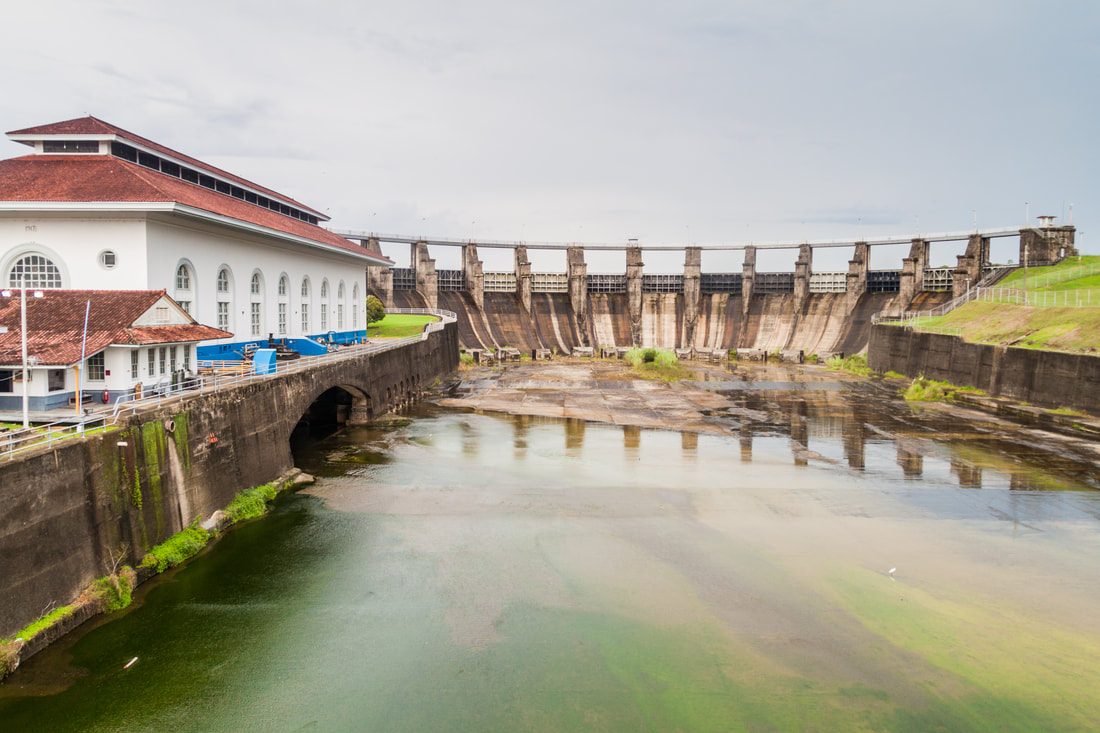
Gatun Dam and Power Generating Station - Panama
Panama, adorned with lush rainforests and bordered by both the Pacific and Atlantic Oceans, experiences a tropical climate. The heartbeat of this climate is the rain—the life-giving force that nourishes the diverse ecosystems and sustains the nation's vitality.

Harnessing Rain for Energy
One of the ingenious ways Panama utilizes its abundant rainfall is through hydroelectric power generation. The country boasts a significant percentage of its electricity derived from hydropower. By strategically placing hydroelectric plants along rivers and harnessing the energy created by rainfall, Panama embraces sustainable practices for meeting its energy needs.

The Panama Canal: Waterway of Prosperity: Navigating the Waters
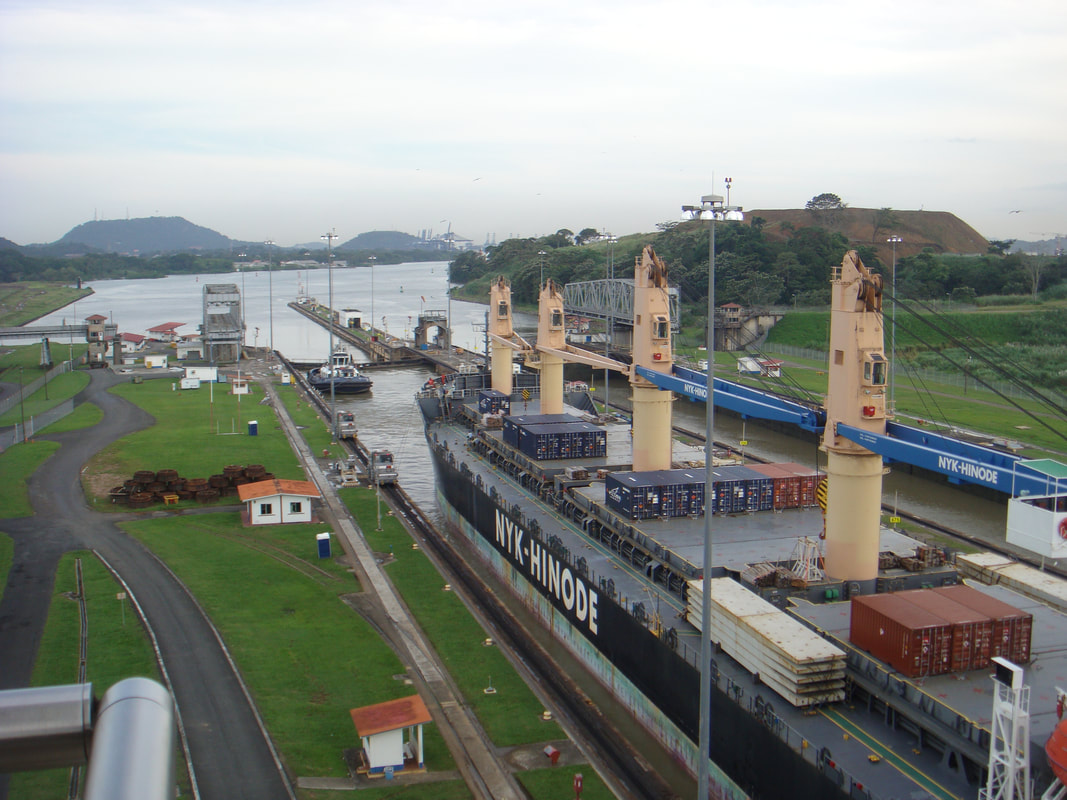
At the heart of Panama's economic prowess lies the Panama Canal, a feat of engineering that relies heavily on water. The canal, connecting the Pacific and Atlantic Oceans, is a vital conduit for global trade. What might not be immediately apparent is the significant role water plays in each ship's passage through the canal.

The Panama Canal uses fresh water from Gatun Lake to operate its locks every time a ship passes through. The exact amount of water consumed during each transit can vary based on factors such as the size of the vessel and the specific locks used. However, on average, it is estimated that the Panama Canal uses around 52 million gallons (about 196,000 cubic meters) of fresh water for each ship's passage through the canal.

The use of fresh water in the canal's locks is a significant aspect of its operation, and the Panama Canal Authority carefully manages water resources to ensure the sustainability of this vital transportation route. It's worth noting that the canal's water management practices have been a subject of attention and consideration, especially in the context of environmental and conservation concerns in the region. Efforts are made to balance the operational needs of the canal with the conservation of the surrounding ecosystem.
Water Consumption at the Panama Canal
For each ship that traverses the Panama Canal, an average of 52 million gallons of water is used in the lock chambers. This water is not merely an operational necessity; it is a strategic resource carefully managed to ensure the canal's smooth functioning. The sustainability of this water usage becomes increasingly crucial as the global shipping industry evolves.

Climate Change and Economic Impacts
While rain is Panama's ally in many respects, climate change poses a potential threat to this delicate equilibrium. The changing climate patterns can bring about shifts in rainfall, leading to consequences such as droughts or excessive rainfall, both of which can have profound impacts on Panama's economy.

Water Resources and Agriculture
Panama's agricultural sector, dependent on regular rainfall, can face challenges in the wake of climate change. Changes in precipitation patterns may affect crop yields and agricultural practices, directly impacting food production and the livelihoods of those dependent on the land.

Rising Seas and Infrastructure Vulnerability
As a nation with a substantial coastal presence, Panama is vulnerable to rising sea levels caused by climate change. This phenomenon can pose threats to coastal communities and infrastructure, necessitating strategic planning and adaptation measures to mitigate potential economic losses.

The Role of Rainforests
Panama's rainforests, iconic for their biodiversity, face risks due to changing climate conditions. This not only impacts the natural habitats and wildlife but also has potential ramifications for eco-tourism, a significant contributor to the country's economy.

Balancing Act in a Rain-Kissed Land
As Panama continues to navigate the delicate dance with rain, from powering its homes to facilitating global trade, the importance of sustainable practices becomes ever clearer. Embracing the nexus between climate change, water resources, and economic well-being, Panama stands at a crossroads where responsible stewardship of its natural blessings is paramount. By leveraging the bounty of rain and adapting to the challenges posed by a changing climate, Panama can secure a harmonious and prosperous future for its people and the generations to come.

Cheers!
The Panama Canal uses fresh water from Gatun Lake to operate its locks every time a ship passes through. The exact amount of water consumed during each transit can vary based on factors such as the size of the vessel and the specific locks used. However, on average, it is estimated that the Panama Canal uses around 52 million gallons (about 196,000 cubic meters) of fresh water for each ship's passage through the canal.
The use of fresh water in the canal's locks is a significant aspect of its operation, and the Panama Canal Authority carefully manages water resources to ensure the sustainability of this vital transportation route. It's worth noting that the canal's water management practices have been a subject of attention and consideration, especially in the context of environmental and conservation concerns in the region. Efforts are made to balance the operational needs of the canal with the conservation of the surrounding ecosystem.
0 Comments

Manuel Noriega Part 3: Operation Just Cause

11/27/2023

0 Comments

 
Picture
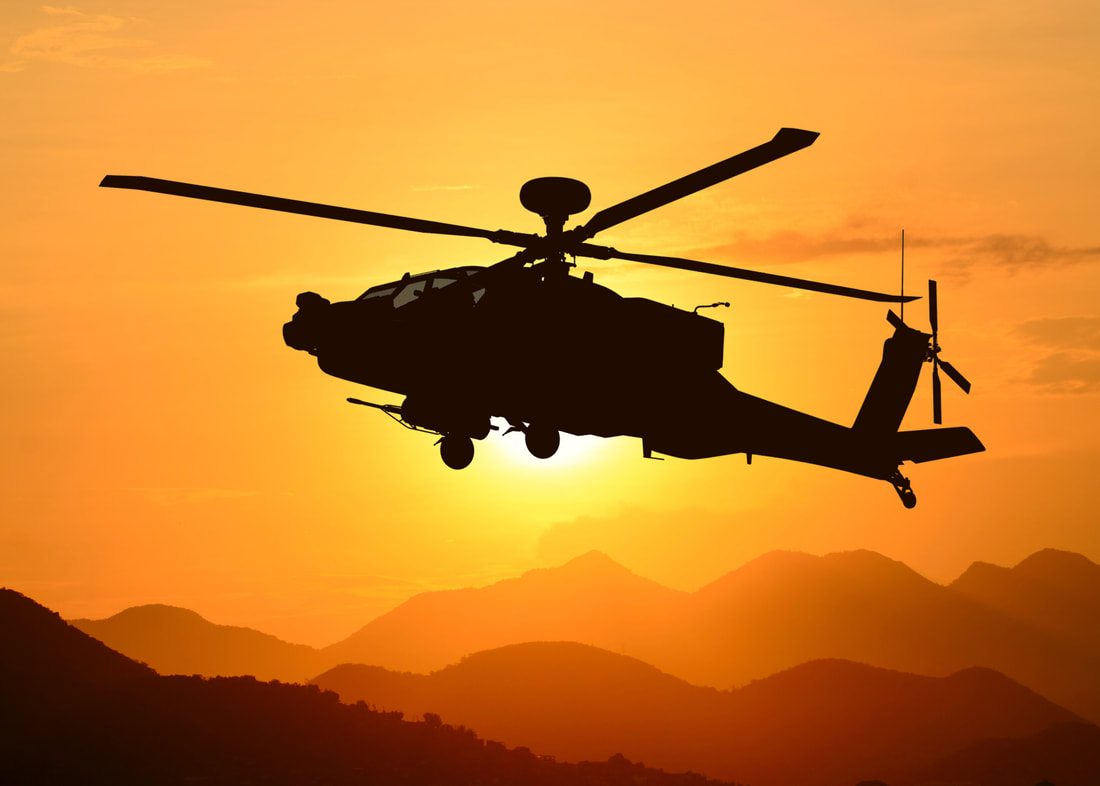
In the twilight years of the 20th century, the geopolitical landscape of Panama was marred by political turmoil and the shadowy figure of Manuel Noriega. As the de facto ruler of the country, Noriega's autocratic regime and alleged involvement in illicit activities became a growing concern for the United States. The stage was set for Operation Just Cause, a military intervention that would alter the course of Panama's history.

The Rise of Manuel Noriega: From Ally to Adversary
Manuel Noriega, a military officer, initially collaborated with U.S. intelligence agencies during the Cold War. However, as the political climate evolved, so did Noriega's allegiances. His consolidation of power and alleged involvement in drug trafficking strained the relationship between Panama and the United States.

The Erosion of Democracy
Noriega's ascent to power saw the erosion of democratic institutions in Panama. Allegations of election fraud and human rights abuses drew international criticism, setting the stage for a dramatic confrontation with the United States.

The Path to Operation Just Cause: The Need for Intervention
By the late 1980s, the United States viewed Noriega as a destabilizing force in the region. His dictatorial regime was accused of drug trafficking, money laundering, and suppressing political opposition. The U.S. government, under President George H.W. Bush, determined that intervention was necessary to safeguard American interests and restore democracy in Panama.

The Buildup of Tensions
Diplomatic efforts to oust Noriega proved futile, and tensions escalated. The U.S. military presence in Panama increased, and Operation Just Cause became imminent. The operation aimed to capture Noriega, safeguard American citizens, and neutralize the perceived threat to regional stability.

Operation Just Cause Unfolds
On the night of December 20, 1989, Operation Just Cause commenced with overwhelming force. Thousands of U.S. troops, supported by air and naval power, launched a swift and decisive campaign to remove Noriega from power. The operation marked the largest U.S. military action since the Vietnam War.

Achieving Objectives
Operation Just Cause achieved its primary objectives within days. Manuel Noriega, the former dictator of Panama, was captured during Operation Just Cause in 1989. After surrendering to U.S. forces, Noriega was taken into custody. Following his capture, he was eventually transported to the United States to face charges related to drug trafficking, money laundering, and racketeering.

Noriega was captured, and the Panamanian Defense Forces were swiftly dismantled. The operation, while successful, also brought about significant collateral damage and civilian casualties, raising questions about the cost of military intervention.

The Aftermath: Rebuilding Panama and the Transition to Democracy
With Noriega ousted, the United States aimed to establish a stable and democratic government in Panama. Guillermo Endara, the opposition candidate in the disputed 1989 elections, assumed the presidency. The transition marked the end of Noriega's era and the beginning of a new chapter for Panama.

Legacy and Controversy
Operation Just Cause remains a subject of historical scrutiny and debate. While it achieved its immediate objectives, the operation's long-term consequences and the precedent it set for future U.S. interventions continue to be topics of discussion among historians, policymakers, and scholars.

Reflections on Operation Just Cause: Humanitarian Concerns
Operation Just Cause, while successful in removing a dictator, raised humanitarian concerns due to the level of force employed. The collateral damage and civilian casualties sparked criticism and prompted reflections on the ethical dimensions of military intervention.

The Evolution of U.S. Foreign Policy
The operation marked a pivotal moment in U.S. foreign policy, emphasizing the use of military force to achieve strategic objectives. It contributed to ongoing debates about the role of the United States in promoting democracy and stability in foreign nations.

Operation Just Cause in Retrospect
Operation Just Cause, born out of a complex geopolitical landscape, remains a defining chapter in Panama's history. The removal of Manuel Noriega and the subsequent transition to democracy shaped the trajectory of the nation. As we reflect on the events of December 1989, it is essential to consider the broader implications of military interventions, the complexities of nation-building, and the enduring questions surrounding the use of force in the pursuit of geopolitical objectives.
0 Comments

Manuel Noriega Part 2: Unraveling the Enigma Behind the Dictator

11/26/2023

0 Comments

 
Picture
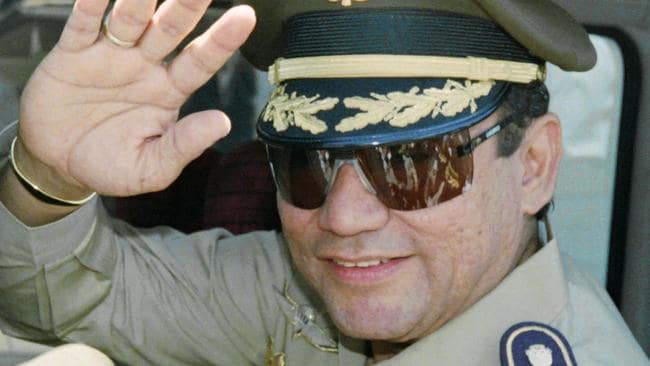
Manuel Antonio Noriega, a name synonymous with power, intrigue, and controversy, left an indelible mark on the pages of Panama's history. To understand the man behind the dictator, we must delve into the complexities of Noriega's upbringing, education, personal life, and the trajectory that led him to become a formidable political figure.

Early Life and Education: Humble Beginnings
Born on February 11, 1934, in Panama City, Manuel Antonio Noriega hailed from humble beginnings. Raised in the impoverished district of Chorrillo, Noriega experienced firsthand the socioeconomic disparities that would later shape his worldview.

Educational Pursuits
Despite the challenges, Noriega's academic prowess shone through. He attended the Military School of Chorrillos, eventually earning a scholarship to the Chorrillos Military School in Lima, Peru. This early exposure to military education would become a formative influence on his future career.

Personal Life: Marriage and Family
Manuel Noriega was married to Felicidad Sieiro de Noriega. The couple had three daughters: Lorena, Thays, and Sandra. While little is known about Noriega's personal life, his family remained a private aspect amid the public scrutiny surrounding his political career.

The Elusive Private Life
Noriega was known for keeping details of his personal life guarded. The secrecy surrounding his family and personal affairs added an air of mystery to the man who would later wield immense power in Panama.

Rise to Power: Military Ascension
Noriega's military career saw a steady ascent. He rose through the ranks, becoming the head of Panama's intelligence agency and later the commander of the National Guard. His adept political maneuvering and alliances with both U.S. and Panamanian officials contributed to his consolidation of power.

Alliance with the United States
During the Cold War era, Noriega cultivated ties with U.S. intelligence agencies, offering assistance in anti-communist efforts. His collaboration with the United States initially positioned him as an ally, and he received support despite growing concerns about his authoritarian rule and alleged involvement in illegal activities.

The Dictator's Reign: Authoritarian Rule
By the 1980s, Noriega's grip on power solidified, and he effectively became Panama's de facto ruler. His regime was characterized by human rights abuses, suppression of political opposition, and allegations of involvement in drug trafficking, money laundering, and other illicit activities. He amassed a personal fortune through these illicit activities.

Tensions with the United States
As Noriega's regime became increasingly autocratic, tensions with the United States escalated. The strained relationship reached a tipping point, leading to the U.S. invasion of Panama in 1989, known as Operation Just Cause, which aimed to remove Noriega from power.

Noriega's Imprisonment and Death
Noriega was held in various U.S. prisons, including the Metropolitan Correctional Center in Miami, Florida, and the Federal Correctional Institution in Miami. Later, he was also incarcerated at the Federal Correctional Institution, Terminal Island, in California.

Manuel Noriega was transferred from a U.S. prison to Panama on December 11, 2011. After serving time in the United States for charges related to drug trafficking, money laundering, and racketeering, Noriega was extradited to Panama. Upon his return to Panama, he faced additional legal proceedings and was sentenced for various crimes committed during his rule in the country. Noriega's transfer marked the end of his incarceration in the United States and the beginning of his imprisonment in Panama until his death.

Manuel Noriega died on May 29, 2017, at the age of 83. His death occurred while he was still serving time in prison in Panama. Noriega's health had deteriorated in the years leading up to his death, and he had undergone multiple surgeries. Despite his capture and imprisonment, Noriega's legacy continues to be a subject of historical analysis and debate, particularly regarding the complex geopolitical dynamics of the time and the consequences of Operation Just Cause.

Legacy of a Complex Figure
Manuel Noriega's life is a tapestry woven with threads of ambition, secrecy, and controversy. From his humble beginnings in Chorrillo to the corridors of power in Panama, Noriega's journey is one of complexity and contradiction. His legacy remains a subject of historical analysis, with debates continuing about the factors that propelled him to dictatorship and the consequences of his rule for Panama and its people.
0 Comments

Manuel Noriega Part 1: Noriega's Ascent to Power in Panama and the U.S. Connection

11/25/2023

0 Comments

 
Picture
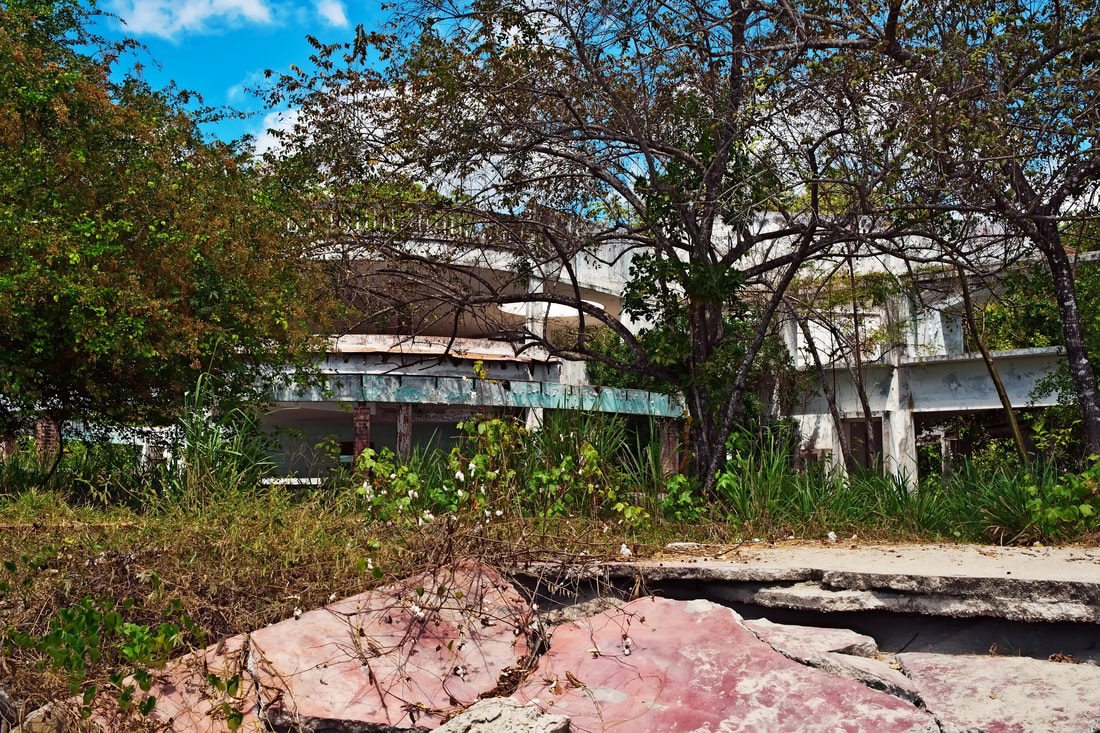
Run-down Property that Once Belonged to Manuel Noriega
As an American expat living in Panama, people ask me all the time if I'm afraid of living in a country under a dictator. I typically laugh out loud. Panama is a democratic republic, the same as the United States. Although the country's history has never felt more alive and intertwined with my daily life.

One of the most intriguing--albeit dark--chapters of Panama's past revolves around the rise to power of Manuel Noriega. His story is a complex web of political intrigue, shifting allegiances, and the undeniable influence of the United States.

​In this blog, I'll take you on a journey through Panama's tumultuous history, uncovering how Manuel Noriega climbed the ranks and exploring the significant role that the U.S. played in his rise to power.

A Tropical Paradise with a Stormy Past
Before we dive into Noriega's rise to power, it's crucial to understand the backdrop against which this drama unfolded. Panama, with its lush rainforests, pristine beaches, and rich culture, is often described as a tropical paradise. However, it's also a nation with a history marked by upheaval, foreign intervention, and complex power dynamics.

Panama: A Strategic Chess Piece
Strategically located as the narrowest land bridge between North and South America, Panama's geographical significance hasn't gone unnoticed. It has been a pawn in the geopolitical chess game, coveted for its canal and its potential as a strategic military base. This reality set the stage for many of the events that unfolded, including Noriega's rise to power.

A Military Man's Ascent: The Early Years of Manuel Noriega
Manuel Noriega's journey began as a young man in Panama, where he entered the military and rapidly climbed the ranks. He was known for his intelligence, cunning, and ability to play the political game.

The Formation of Relationships: U.S. Influence
In the backdrop of the Cold War, the United States began to view Panama as an important ally in the region. This strategic outlook led to close ties between the U.S. government and Manuel Noriega. The U.S. saw Noriega as a valuable asset in the fight against communist influence in Central America.

A Shadowy Deal: The Cocaine Connection
Noriega's rise to power was not without controversy. His involvement in the drug trade raised red flags. It was during this period that he forged a murky alliance with the Medellín Cartel, facilitating the flow of drugs through Panama. The U.S. became aware of these connections but continued to support Noriega, driven by the geopolitical agenda of the time.

Operation Just Cause: The Breaking Point
The relationship between Manuel Noriega and the United States reached a boiling point in 1989. Accusations of drug trafficking, election fraud, and human rights abuses piled up. He was accused of murdering Panamanian physican Hugo Spadafora, who had openly criticized Noriega's leadership. Then, the breaking point came when Noriega cancelled a general election. These were the catalysts that led to Operation Just Cause, a U.S.-led military intervention to oust Noriega from power.

Panama's Struggle for Democracy
Operation Just Cause was a turning point in Panama's history. It marked the beginning of a new era, one in which Panama sought to rebuild itself as a democratic nation, free from the shadow of Noriega's influence. The U.S. played a role in shaping this post-Noriega landscape by supporting the establishment of democratic institutions.

The Legacy of Noriega: Lessons and Questions
Manuel Noriega's rise to power and eventual fall left a profound impact on Panama. His complex relationship with the United States raises questions about the ethics and consequences of foreign policy decisions. It's a story that serves as a lesson in the complexities of international relations, national sovereignty, and the blurred lines between ally and adversary.

Panama's Journey Towards Stability and Prosperity
In the wake of Noriega's removal from power, Panama underwent a period of reconstruction and healing. It embarked on a journey towards political stability, economic growth, and strengthening its democratic institutions. This effort has paid off, with Panama becoming a regional hub for trade, commerce, and tourism.

Reflections from an Expat
As an American expat living in Panama, I've had the privilege of witnessing the country's transformation in the post-Noriega era. Panama's history is one of resilience, evolution, and progress. It's a testament to the people's determination to forge their own path, free from external influences.

Manuel Noriega's rise to power, and the U.S.'s role in supporting him, remains a complex and sometimes uncomfortable part of Panama's past. It's a story that prompts us to reflect on the consequences of foreign policy decisions and the intricate relationships between nations.
​
Today, Panama stands as a vibrant and diverse nation, welcoming expats like me with open arms. It's a country where the past is acknowledged, but the future is bright and full of promise. Panama's transformation serves as a testament to the resilience of its people and their unwavering commitment to shaping their own destiny.
0 Comments

A Cinematic Gateway to Panama

11/24/2023

0 Comments

 
Picture
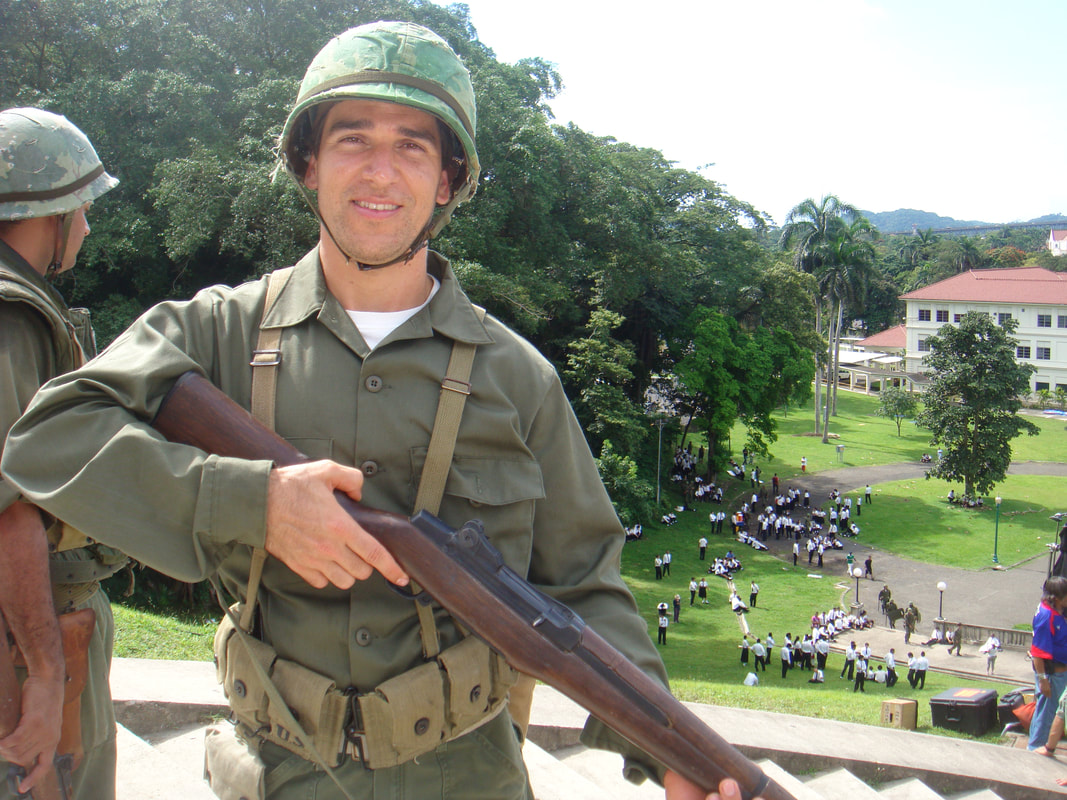
Kleriston Muricy played an American soldier (extra) in the movie "Hands of Stone."
Panama, with its rich cultural tapestry, diverse landscapes, and historical significance, has served as a compelling backdrop for numerous movies and TV shows. From gripping dramas to adventurous tales, let's dive into the world of entertainment that brings the beauty and complexity of Panama to the screen.

Silver Screen Spectacles

The Tailor of Panama (2001)
Adapted from John le Carré's novel, this espionage thriller, directed by John Boorman, unfolds against the backdrop of post-handover Panama. Starring Pierce Brosnan and Geoffrey Rush, the film weaves a tale of political intrigue, deception, and the complexities of life in Panama City.

Quantum of Solace (2008)
While not entirely set in Panama, the James Bond film features a stunning action sequence in the country. The iconic scenes were shot in the historic district of Casco Viejo, providing a cinematic feast for audiences with its vibrant streets and colonial architecture.

​Hands of Stone (2016)
Hands of Stone is a biographical sports film that tells the story of legendary Panamanian boxer Roberto Durán, played by Édgar Ramírez. The movie provides a glimpse into the life and career of Durán, showcasing Panama's boxing culture and the impact of this iconic figure on the global stage.

Diablo Rojo PTY (2019)
For a taste of Panamanian cinema, Diablo Rojo PTY offers a unique experience. Directed by Sol Moreno, this horror film is set on a traditional Panamanian bus, known as a "Diablo Rojo." The movie combines local folklore with suspense, offering a fresh perspective on the country's storytelling traditions.

TV Treasures

Breaking Bad (Season 2, 2009)
In the critically acclaimed TV series Breaking Bad, the character Gustavo Fring, portrayed by Giancarlo Esposito, hails from Panama. Fring's mysterious background and connections to the country add an extra layer of intrigue to the show's complex narrative.
​
Narcos (Season 3, 2017)
The third season of Narcos delves into the world of the Cali Cartel, showcasing Panama's pivotal role as a crossroads for drug trafficking. The series captures the tumultuous period when law enforcement and drug lords clashed, portraying the challenges faced by the country during the drug trade era.

Prison Break (Season 3: 2007)
In this season, the storyline shifted to Panama, where the characters found themselves entangled in a web of political intrigue and faced new challenges as they attempted to navigate the country's complex landscape. The show's depiction of Panama included its lush landscapes, urban settings, and the unique challenges posed by the country's political and criminal elements.

Panama in Frames
From Hollywood blockbusters to gripping TV dramas and local productions, Panama has carved a niche for itself on the global entertainment stage. These movies and TV shows not only showcase the country's picturesque landscapes but also delve into its complex history, culture, and societal dynamics.

Whether you're a cinephile or simply curious about Panama, these cinematic creations offer a captivating lens through which to explore the beauty and intricacies of this Central American gem. So, grab your popcorn and immerse yourself in the magic of Panama on screen.

Cheers!
0 Comments

Thanksgiving in Panama: Continuing the Ritual of Thanks as an Expat Living Abroad

11/23/2023

0 Comments

 
Picture
The Symbolism of Thanksgiving
As an expatriate navigating the complexities of life in a foreign land, the importance of preserving cultural rituals cannot be overstated. Among these cherished traditions, American Thanksgiving stands out as a cornerstone of familial and communal bonding. For me, Thanksgiving has always been one of my favorite holidays. Embracing the rituals associated with this holiday provides a comforting taste of home. It allows me to connect to my roots while still embracing the foreign feel of the holiday.

The Thanksgiving Table in Panama
The Thanksgiving table, laden with familiar dishes like roast turkey, stuffing, and pumpkin pie, becomes more than just a culinary affair. It transforms into a symbol of continuity, bridging the geographical and cultural gaps that separate expatriates from their homeland. Sharing these meals with fellow expats or new friends becomes a way to weave the tapestry of tradition in a foreign land.

Building Bridges Across Cultures
Continuing with American Thanksgiving rituals while living in Panama is not only a personal choice but also a means of cultural exchange. There are several differences when celebrating Thanksgiving in Panama to how I used to celebrate it in the US. First, although many people here celebrate it, it's not a holiday. Although there may still be work-related issues that pop up, this also means that stores are open for business-as-usual. If I need to pop to the grocery store or even the mall to get a forgotten item, no problem. The second difference is who sits at my Thanksgiving table. Since I live in a very international area, it's not uncommon to have people from all parts of the world. Inviting local friends or neighbors to partake in the festivities opens a door to understanding and appreciation. It becomes a bridge between the host country's culture and the traditions one brings from home, fostering mutual respect and shared experiences.

The Language of Gratitude
Thanksgiving, at its core, is about gratitude. Expressing thanks for the blessings, no matter how big or small, transcends borders. As an expatriate, weaving this language of gratitude into the local cultural fabric becomes a way to build bridges and cultivate a sense of belonging.

Sustaining Family Bonds from Afar: Nurturing Familial Ties
For many expatriates, the physical distance from family can be one of the most challenging aspects of living abroad. Thanksgiving rituals serve as a thread that ties individuals back to their familial roots. Whether through video calls, sharing recipes across time zones, or recreating family traditions, these rituals become a source of comfort and continuity.

Passing Down Traditions
For expat families, continuing with Thanksgiving rituals becomes an opportunity to pass down traditions to the next generation. Through the act of cooking together, sharing stories, and maintaining family customs, expatriates ensure that their cultural heritage is not lost but rather cherished and celebrated in a new context.

Fostering a Sense of Home Away from Home
Living as an expatriate often means navigating a space that is both foreign and familiar. Engaging in Thanksgiving rituals, from decorating the home with autumnal hues to engaging in time-honored activities like watching the Macy's Thanksgiving Day Parade, helps create a homey atmosphere that transcends physical borders.

Connection to Community
The expatriate community, a diverse tapestry of individuals from various backgrounds, can find unity in the shared celebration of Thanksgiving rituals. Potluck dinners, community gatherings, and collaborative efforts to recreate the essence of Thanksgiving contribute to a sense of communal identity.

Sowing Seeds of Continuity
In the tapestry of expatriate life, the threads of cultural rituals are woven with intention and care. American Thanksgiving, with its traditions and expressions of gratitude, serves as a powerful reminder of the importance of continuity. By continuing with these rituals abroad, expatriates nurture a connection to their roots, build bridges across cultures, and create a sense of home wherever they may be.

Happy Thanksgiving, my friends!
0 Comments

Exploring the Riches of History: Museo Numismático in Panama

11/22/2023

0 Comments

 
Picture
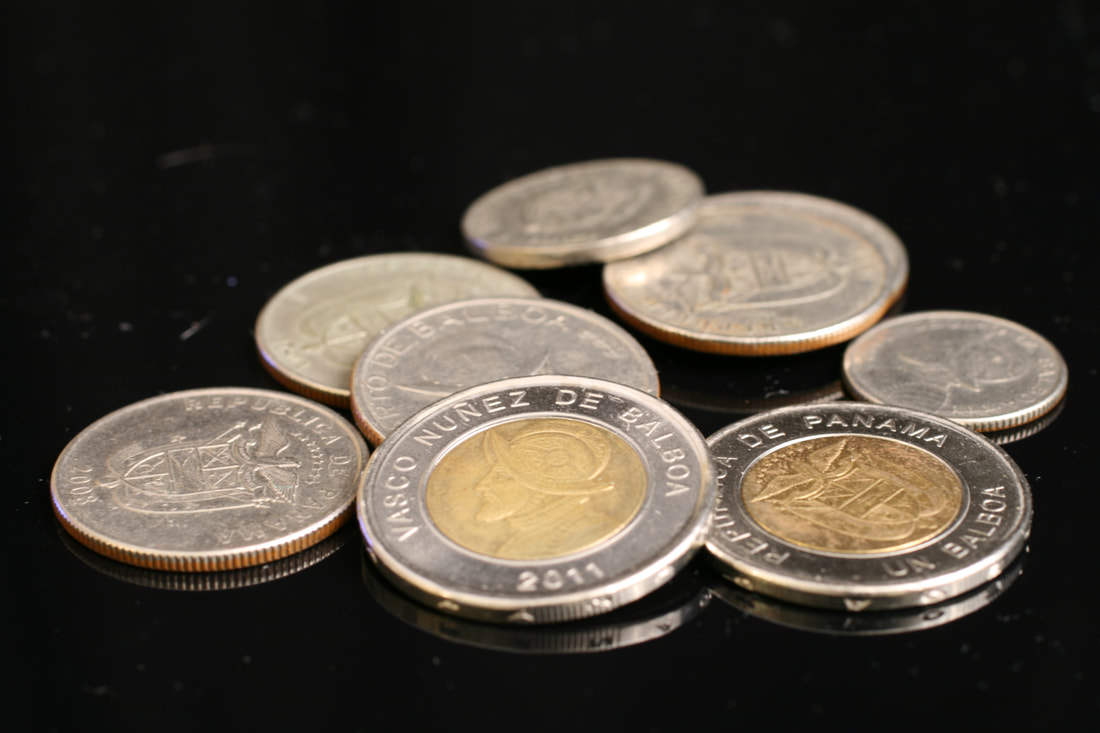
Nestled in the heart of Casco Viejo in Panama City, the Museo Numismático, also called the Money Museum, is dedicated to the art and science of numismatics. It provides visitors with an interesting journey through the evolution of currency in Panama and beyond.

A Glimpse into Panama's Monetary Past-Historical Coins and Banknotes
The museum's exhibits offer a chronological exploration of Panama's monetary history. From colonial coins to modern banknotes, visitors can witness the evolution of currency and gain insights into the economic milestones that shaped the nation.

Rare and Commemorative Pieces
Among the highlights are rare and commemorative coins, showcasing the artistry and craftsmanship that went into their production. These pieces not only serve as monetary artifacts but also as reflections of the cultural and historical narratives of Panama.

Open Hours
Plan your visit to the Museo Numismático during the following hours:
  • Tuesday to Friday: 9:00 AM to 4:00 PM
  • Saturday and Sunday: 10:00 AM to 5:00 PM

Entrance Fee
To immerse yourself in the world of numismatics, consider the following ticket options:
  • Adults: $5
  • Children (ages 6-12): $2
  • Children under 6: Free
  • Students and seniors (with valid ID): $3

Location
The Museo Numismatico is located off of Ave. Central, a block from Independence Square, in Casco Viejo, Panama City, Panama.

​A Numismatic Journey Awaits
Whether you're a history buff, a coin collector, or someone seeking a unique cultural experience, the Museo Numismático in Panama promises a captivating journey through time. From the humble beginnings of currency to the intricacies of modern banknotes, each exhibit tells a story of Panama's economic and cultural evolution. Plan your visit, explore the numismatic treasures that await, and uncover the secrets held within the walls of the Museo Numismático.

Cheers!
0 Comments

Navigating Wealth: The Financial Impact of the Panama Canal on Panama and the World

11/21/2023

0 Comments

 
Picture
The Panama Canal holds immense financial significance for Panama and the broader international community. In this exploration, we delve into the economic currents flowing through the canal, shaping the fiscal landscape of both Panama and the world.

The Economic Engine of Panama
The revenue generated by the Panama Canal is a cornerstone of the country's economic stability. The tolls collected from ships passing through the canal contribute significantly to Panama's gross domestic product (GDP), funding infrastructure projects, social programs, and other vital initiatives.

Employment Opportunities and Economic Multipliers
Beyond toll revenues, the canal creates a ripple effect in the job market. From canal operations to ancillary services, a network of employment opportunities emerges, fostering economic growth and supporting local communities along the canal's route.

Panama Canal and Global Trade
The Panama Canal plays a pivotal role in facilitating global trade by connecting the Atlantic and Pacific Oceans. Ships from all corners of the world traverse its waters, cutting transit times and reducing shipping costs. This efficiency enhances the competitiveness of businesses worldwide, contributing to the global economic ecosystem.

Supply Chain Dynamics
The canal's efficiency has a profound impact on supply chains globally. As goods move swiftly between hemispheres, manufacturers, retailers, and consumers benefit from streamlined logistics, enabling a more interconnected and efficient global marketplace.

Financial Figures: The Panama Canal's Global Impact
The financial impact of the Panama Canal reverberates far beyond its national borders. With billions of US Dollars in annual revenue, the canal stands as a key player in the global shipping industry, shaping the financial landscapes of countries dependent on maritime trade.

International Trade Balances
The canal's strategic position influences international trade balances. Nations relying on the canal for shipping routes experience economic benefits, and those with a stake in its operations strategically position themselves to harness the financial rewards flowing through this vital waterway.

Future Horizons: Expanding Prosperity
The recent expansion of the Panama Canal with the introduction of the new set of locks, known as the Panama Canal Expansion or the Neopanamax project, underscores Panama's commitment to its economic role. This expansion not only accommodates larger vessels but also opens new avenues for increased revenue and global economic influence.

Sustainable Development Goals
As Panama continues to capitalize on the economic potential of the canal, there's a growing emphasis on sustainable development. Investments in environmental conservation, community welfare, and responsible business practices are shaping the canal's role in global trade while ensuring long-term prosperity.

Sailing into Financial Success
The Panama Canal, with its strategic location and operational efficiency, stands as a linchpin in the global economic machinery. Its financial contributions to Panama are undeniable, fueling growth, creating jobs, and funding essential initiatives. Simultaneously, the canal shapes international trade dynamics, connecting economies and fostering a more interconnected and prosperous world.

As Panama steers the course into the future, the financial significance of the Panama Canal will undoubtedly remain a beacon of economic success for the nation and a key player in the global economic seascape.

​Cheers!
0 Comments
<<Previous

    Author

    Melissa Darnay is a Gen X real estate broker who traded the hustle and bustle of American life for the charms of Panama in 2012.  Learn more... 

    Picture
    We have a LOT of information that we've accumulated since 2012. Please use the SEARCH BAR above to find specific information.

    Archives

    October 2025
    September 2025
    August 2025
    July 2025
    June 2025
    May 2025
    April 2025
    March 2025
    February 2025
    January 2025
    December 2024
    November 2024
    October 2024
    September 2024
    August 2024
    July 2024
    June 2024
    May 2024
    April 2024
    March 2024
    February 2024
    January 2024
    December 2023
    November 2023
    October 2023
    September 2023
    July 2021
    July 2020
    May 2019
    April 2019
    January 2018
    December 2017
    November 2017
    August 2017
    May 2016
    April 2016
    March 2016
    June 2015
    May 2015
    April 2015
    March 2015
    January 2015
    November 2014
    October 2014
    September 2014
    August 2014
    July 2014
    June 2014
    May 2014
    April 2014
    December 2013
    November 2013
    October 2013
    September 2013
    August 2013
    July 2013
    June 2013
    May 2013
    April 2013
    March 2013
    February 2013
    January 2013
    December 2012

    Categories

    All

    RSS Feed

Copyright 2012-2025 Choose Panama Inc. All Rights Reserved.